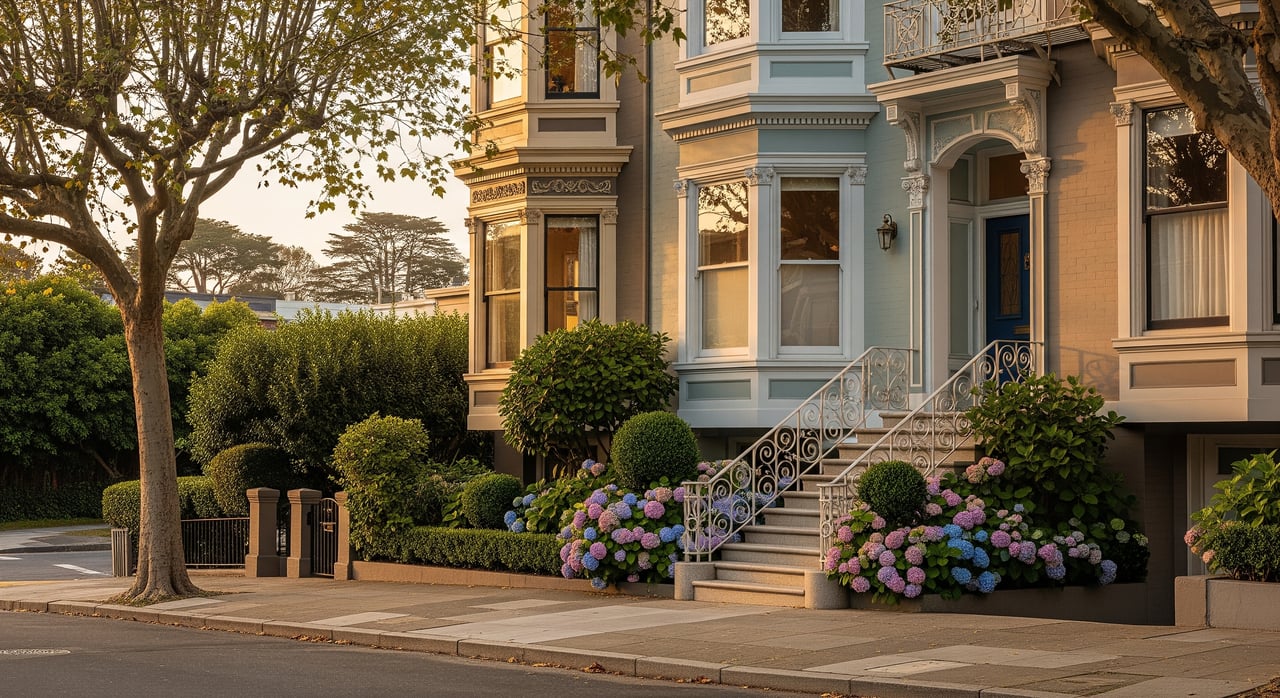
Thinking about selling your Inner Richmond home and wondering when interest will be strongest? You are not alone. Timing in San Francisco matters, and getting it right can boost showings, generate multiple offers, and reduce days on market. In this guide, you will learn the best months to list, how to plan your launch week, a practical 3–6 month prep checklist, and the key risks that can affect timing. Let’s dive in.
Seasonality in San Francisco
San Francisco real estate follows a reliable rhythm. Buyer activity and new listings surge from late winter through late spring, with March to May as the high-traffic period. There is also a smaller bump in early fall, usually September to early October.
Late fall through January tends to be quiet. Summer remains active, but vacations and shifting schedules can dilute buyer turnout. These patterns give you a clear framework for when to go live.
Best months to list
For Inner Richmond sellers, two windows consistently stand out:
- Primary window: late February through May. This is when buyer traffic is strongest and your odds of high engagement are typically best.
- Secondary window: September to early October. This can deliver solid results with slightly less competition.
Try to avoid mid-November through January if your goal is maximum foot traffic and broader exposure. Always pair these norms with current local data on inventory and rates in the month you plan to list.
Inner Richmond buyer dynamics
Inner Richmond attracts a mix of buyers, including first-time buyers seeking space and transit access, families who value nearby parks, downsizers, and investors. Housing stock spans pre-war flats, cooperative or condo units, and some single-family row homes.
Because single-family homes are less common, a well-prepared house may see strong attention when supply is tight. Condo-heavy inventory can be more price sensitive, so preparation, pricing, and financing readiness matter. In your marketing, highlight walkability, access to Golden Gate Park, dining corridors, and transit options.
Inner Richmond’s microclimate can be cooler and overcast. Plan photos for the clearest available day and use supplemental lighting inside. Simple curb appeal steps like power-washing and light landscaping go a long way, especially on multiunit facades and tree-lined blocks.
3–6 month prep timeline
Use this checklist whether you are targeting spring or the fall window. Adjust based on your property’s condition and any permit needs.
Six months out
- Get a comparative market analysis and a timing consult for Inner Richmond. Review recent comparable sales and current active listings.
- Assess major items like roof, foundation, seismic bracing, plumbing, and electrical. Larger repairs and permits can take weeks to months.
- If the home is tenant-occupied, consult an agent and a local attorney about required notices and timelines. Rules in San Francisco are specific and can affect your schedule and costs.
Three to four months out
- If you plan permit-required work, submit applications now. Permit review and contractor availability can push dates.
- Set your budget and select contractors. Decide which upgrades are must-do versus cosmetic.
- Consider pre-listing inspections to identify deal-breakers early and streamline buyer due diligence.
Six to eight weeks out
- Complete cosmetic updates such as paint, flooring touch-ups, and minor kitchen or bath refreshes.
- Declutter, depersonalize, and remove excess furniture. Confirm staging and rental furniture.
- Schedule professional photography, floor plans, and a 3D tour. Spring slots book quickly, so secure vendors early.
Two to three weeks out
- Finish repairs, deep clean, and install staging.
- Draft listing copy and prepare a neighborhood factsheet highlighting parks, transit, and amenities.
- Plan open houses, a broker preview, and any twilight photography.
One week to launch
- Do a final walkthrough and staging touch-ups.
- Confirm your launch date, showing schedule, and the approach to any Coming Soon marketing within MLS rules.
Listing week and the first two weeks
- Activate when buyer traffic is highest and hold strong weekend open houses.
- Gather feedback quickly and watch early offer activity.
- Adjust pricing or marketing if engagement is not meeting expectations.
When to go live
Your launch week and even your launch day can make a difference.
Pick the right week
- Spring: aim for late February to May, with March and April as the sweet spot for many properties.
- Fall: target September to early October for a focused, shorter campaign.
- Avoid holiday weeks and long weekends if possible, when buyer turnout can dip.
Activate at the right time
- Many sellers go live Thursday evening or Friday morning to create momentum into weekend showings. Confirm current local practice before finalizing.
Nail the visuals
- Book photos for the brightest day available. Use interior lighting and plan twilight exteriors if the facade shines in evening light.
Open house cadence
- Hold at least one strong weekend open in week one.
- Consider a broker preview before the public launch to generate early agent interest.
Digital launch
- Concentrate your highest-intensity digital marketing in the first 7–14 days. New listings tend to get peak attention in this window.
Marketing to match the moment
Effective marketing leans into what Inner Richmond buyers value.
- Photography and tours: invest in professional photos, floor plans, and a virtual tour. Show layout, light, and proximity to parks and dining.
- Neighborhood positioning: highlight walkability, transit access, and nearby amenities that fit a range of lifestyles.
- Targeted messaging: for family-focused layouts, speak to move timing that aligns with the school year. For downsizers, emphasize single-floor living and low-maintenance features.
- Broker outreach: invite local agents to preview the home so their buyers are ready for opening weekend.
Pricing and offer strategy
Set a price that aligns with your chosen window and current comps. In spring, buyers expect new inventory, so competitive pricing plus strong presentation usually drives showings.
Talk with your agent about whether to set an offer deadline. In high-demand periods, a clear review date can concentrate buyer interest. If activity is slower, be flexible and evaluate offers as they come.
If you must list off-peak
Sometimes your personal timeline matters most. If you need to list in late fall or mid-winter, focus on standing out.
- Lean into presentation with top-tier staging and lighting.
- Offer convenient showing options, including private appointments outside of holiday dates.
- Watch local inventory closely. If you face less competition, you may still achieve strong results with the right pricing and marketing.
Risks and rules to watch
Timing is not just about the calendar. A few practical items can affect your go-live date and bottom line.
- Permits and renovations: start early for anything requiring City approvals. Delays can push you past peak windows.
- Tenant considerations: understand notice periods and any relocation obligations before planning a launch.
- Disclosures and inspections: California requires thorough disclosure. Pre-listing reports can build buyer confidence and speed up escrow.
- Mortgage rates: rate changes can expand or shrink your buyer pool quickly. Keep an eye on market sentiment as you approach launch.
- MLS and Coming Soon: confirm what is allowed for pre-market exposure, preview showings, and timing so you stay compliant.
Sample spring launch plan
Targeting a late March debut? Here is a simple outline you can adapt.
- Early January: market review, major repair scope, and permit submissions if needed.
- Late January to February: complete major work, set budget, and book vendors.
- Early March: finish cosmetic updates, schedule photos and floor plans, draft marketing.
- Mid-March: install staging, capture final media, and plan broker preview.
- Late March: activate Thursday evening or Friday morning, hold weekend opens, and evaluate an offer timeline based on early activity.
Next steps
If you want maximum interest, align your timing with the spring or early fall windows, prepare with a 3–6 month plan, and launch with a focused first two weeks. The right project management and marketing can make the difference between a good sale and a great one.
If you would like hands-on help, reach out. With boutique, end-to-end support that includes staging, contractor coordination, professional photography, listing microsites, and access to Compass Concierge for approved pre-sale improvements, you can move forward with confidence. Start with a personalized plan and timing consult with Claudia Siegel.
FAQs
When should Inner Richmond sellers list to get the most buyer traffic?
- Late February through May is the primary window, with a secondary bump in September to early October. Avoid mid-November through January if you want maximum foot traffic.
What day of the week is best to activate a San Francisco listing?
- Many sellers go live on Thursday evening or Friday morning to capture weekend open-house momentum. Confirm the current local norm before setting your date.
How far in advance should Inner Richmond sellers book staging and photography?
- Book 4–6 weeks ahead during peak seasons, especially in spring. Vendor calendars fill quickly.
What if my Inner Richmond property is tenant-occupied?
- Consult an agent and a local attorney early. San Francisco tenant protections include notice periods and potential relocation requirements that affect timing.
Do open houses still help sellers in San Francisco?
- Yes. Weekend open houses remain an efficient way to reach active and casual buyers, supported by strong digital marketing and broker outreach.
How do interest rates affect timing for Inner Richmond sellers?
- Rate changes can quickly expand or reduce the qualified buyer pool. Monitor rates and local inventory in the month before you list and be ready to adjust strategy.