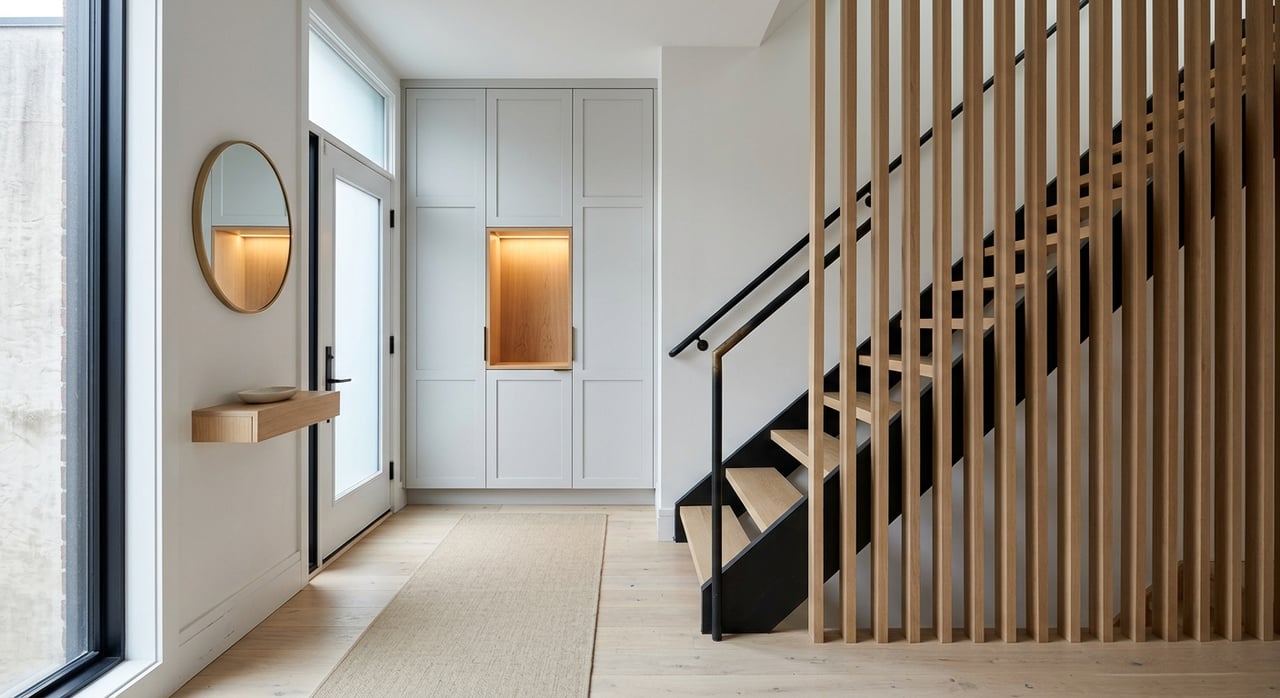
Wondering when to start getting your West Portal home ready for spring? If you wait until flowers are blooming and listings are popping up, you may already be behind. In a neighborhood where timing, presentation, and preparation can shape buyer response, starting early gives you more control and less stress. Let’s dive in.
Why spring prep matters in West Portal
West Portal has a distinct neighborhood identity, and that can influence how buyers respond to new listings. According to SFMTA, West Portal Avenue is a commercial corridor with locally owned shops, cafes, restaurants, boutiques, and bookstores, and West Portal Station connects the area with three rail lines and two bus routes. The station area also serves as an entry point to a commercial village and to nearby community amenities like schools, a playground, and the public library.
That local appeal matters, but market timing matters too. Redfin reported a March 2026 median sale price of $1.525 million in West Portal, with 48 median days on market and only 4 homes sold. With a small number of sales, neighborhood stats can shift quickly, which makes strategic launch timing even more important.
At the city level, the broader San Francisco market also supports a thoughtful spring plan. Redfin said the city’s median home sale price rose 14.4% year over year in March 2026 to a record $1.7 million. Realtor.com also reported about 1,400 homes for sale, a 46-day median time on market, and homes typically selling for 109% of asking price.
Why April often stands out
Seasonal research points to a clear takeaway: if you want to hit the spring market well, you need to prepare before spring is in full swing. Zillow’s 2025 analysis found that homes listed in the second half of April in San Francisco sold for 3.2% more, or about $38,600 more on a typical home. Realtor.com’s 2025 best-time-to-sell report also identified the week of April 13 through 19 as a strong historical window, with faster movement and less competition.
That does not mean every home should list on the exact same date. It does mean that if your target is an April debut, your repair decisions, staging plan, and listing media should be underway long before then. The best spring launches usually look effortless because the work started months earlier.
Focus on changes buyers can see
If your goal is a spring sale, high-impact cosmetic improvements often make more sense than a major remodel. Realtor.com’s San Francisco market guidance notes that cosmetic updates can help, and that smaller changes like paint and fixtures typically pay off better than large renovations that may not return full cost. In many cases, major work can expand the buyer pool and reduce time on market, but it is not automatically the best financial move.
For many West Portal sellers, the smarter approach is simple and strategic. Think paint touch-ups, refreshed lighting or hardware, flooring repairs, basic landscaping, and deep cleaning. These updates can make the home feel brighter, cleaner, and more move-in ready without dragging you into a long construction timeline.
Staging helps buyers understand the home
Decluttering and depersonalizing are not just nice finishing touches. They help buyers read the space more clearly and picture how they would live there. In the National Association of Realtors 2025 Profile of Home Staging, 83% of buyers’ agents said staging made it easier for a buyer to visualize the property as a future home.
That same report found that 29% of sellers’ agents said staged homes received a 1% to 10% increase in the dollar value offered. It also found that 49% of sellers’ agents said staging reduced time on market. For sellers, that is a strong argument for treating presentation as part of the sales strategy, not an afterthought.
The rooms that matter most are often the most lived-in spaces. NAR reported that buyers’ agents ranked the living room, primary bedroom, and kitchen as especially important, while sellers’ agents most often staged the living room, primary bedroom, dining room, and kitchen. If you are prioritizing time and budget, start there.
Think about screen appeal too
Today, your home needs to look complete both in person and on a screen. NAR found that listing photos, physical staging, videos, and virtual tours were all highly important to buyers’ agents. That means unfinished projects, cluttered rooms, and inconsistent styling can hurt you before a buyer ever sets foot inside.
In West Portal, where buyers may be comparing a small number of available homes closely, strong media can help your property stand out. A calm, bright, easy-to-read interior tends to perform better than one that feels crowded or overly personalized. The goal is not to erase your home’s character, but to make its layout, light, and livability come through clearly.
A practical timeline for a spring listing
If you are aiming for the spring market, here is a helpful planning framework based on the research.
6 to 12 months before listing
Start with a walkthrough and a plan. This is the time to evaluate what is really worth fixing, what can stay as-is, and what budget makes sense for your goals.
At this stage, focus on:
- Walking the property with your agent
- Prioritizing repairs and cosmetic updates
- Requesting contractor bids
- Setting a prep budget
- Reviewing any work that may involve permits or records
In San Francisco, permit planning matters early. SF.gov states that Permit Services handles building, electrical, plumbing, mechanical, and other construction-related permits, and that most building permit applications require architectural plans. If your project may need review, it is better to find that out early than to discover it halfway through prep.
This is also a good time to think about records. San Francisco’s 3R report process provides authorized-use and building-permit history for residential buildings, and owners or realtors are legally required to provide that report to the buyer when selling residential dwellings.
3 to 4 months before listing
This is the window to complete the work that changes how the home feels and photographs. You want the major visual prep done with enough time to make thoughtful staging decisions, not rushed ones.
Typical tasks in this phase include:
- Interior paint
- Fixture and hardware refreshes
- Flooring repairs
- Landscaping clean-up
- Moving extra belongings into storage
- Deep cleaning high-use areas
This is also the right time to line up staging. Based on the staging data, pay particular attention to the living room, primary bedroom, dining room, and kitchen.
4 to 6 weeks before listing
Now the home should start feeling launch-ready. Staging, photography, video, and the final listing package should all come together in this stretch.
This sequence matters because buyers often see the property online first. If your photos or video are captured before the home is fully prepared, you may lose momentum right out of the gate.
Final week before launch
The last week is about polishing, not scrambling. By now, the big decisions should already be made.
Use this final stretch to:
- Deep clean the entire home
- Clear countertops and bathroom surfaces
- Replace burned-out light bulbs
- Freshen the front entry and path
- Make sure the front door looks crisp and clean
Small distractions can pull attention away from your home’s layout and natural light. The cleaner and simpler the presentation, the easier it is for buyers to focus on what matters.
Be careful with permits and past work
One common mistake is assuming a small project is automatically permit-free. San Francisco’s guidance says many routine exterior projects can be handled without plans, including same-size window or door replacement, re-roofing, exterior siding repair or replacement in kind, minor dry rot repairs, and some kitchen or bath remodels that do not change the floor plan or add a new shower or tub. But the rules are project-specific, so it is wise to confirm the exact scope before work begins.
It can also help to check your historical property records before listing. SF.gov states that owners and realtors can request public building records, and that the Department of Building Inspection stores plans, permits, and job cards. Reviewing those records early can help you spot inconsistencies and avoid surprises during escrow.
Optional support for pre-sale prep
Some sellers want to move quickly but prefer not to pay every prep cost upfront. Compass Concierge is an optional financing program that fronts the cost of certain home improvement services with zero due until closing. According to Compass, eligible services can include staging, flooring, painting, and more.
This can be useful if you want one coordinated preparation plan without immediate cash-flow pressure. It is not the right fit for every seller, but it can be a practical tool when the goal is to improve presentation before going to market. A tailored plan matters more than a one-size-fits-all checklist.
The real advantage is starting early
In West Portal, a strong spring sale often comes down to three things: timing, presentation, and preparation. Starting early gives you time to make smart cosmetic updates, handle records and permit questions, and launch with photos and staging that feel polished from day one. That can help you meet the market when buyer attention is strongest, instead of racing to catch up.
If you are thinking about selling this spring, the best next step is a clear plan built around your home, your timing, and your goals. For thoughtful guidance on what to fix, what to skip, and how to prepare for a successful launch, connect with Claudia Siegel.
FAQs
When should you start preparing a West Portal home for the spring market?
- If you want to list in April, it is smart to begin planning months in advance. A 6 to 12 month runway gives you time to evaluate repairs, check permits or records, budget the work, and avoid rushed decisions.
What updates matter most before listing a West Portal home?
- Minor cosmetic updates often make the most sense for a spring sale. Paint touch-ups, fixture refreshes, flooring repairs, landscaping clean-up, decluttering, and deep cleaning usually offer a more practical return than a major remodel.
Does staging really help when selling a San Francisco home?
- Yes. NAR’s 2025 staging report found that 83% of buyers’ agents said staging made it easier for buyers to visualize the property, while 49% of sellers’ agents said staging reduced time on market.
Which rooms should you stage before selling a West Portal house?
- The most important rooms to prioritize are the living room, primary bedroom, kitchen, and dining room. These are the spaces buyers and agents tend to focus on most when evaluating a home.
Do small pre-sale projects in San Francisco need permits?
- Some do and some do not. SF.gov says certain routine exterior projects and some limited kitchen or bath updates may be handled without plans, but permit rules are specific to the exact scope of work, so it is best to confirm before starting.
What is the 3R report for San Francisco home sellers?
- The 3R report provides authorized-use and building-permit history for residential buildings in San Francisco. Owners or realtors are legally required to provide it to the buyer when selling residential dwellings.
Can Compass Concierge help with preparing a West Portal home for sale?
- It may. Compass Concierge is an optional program that can front the cost of services like staging, flooring, and painting, with zero due until closing, which can help some sellers manage pre-sale preparation costs.