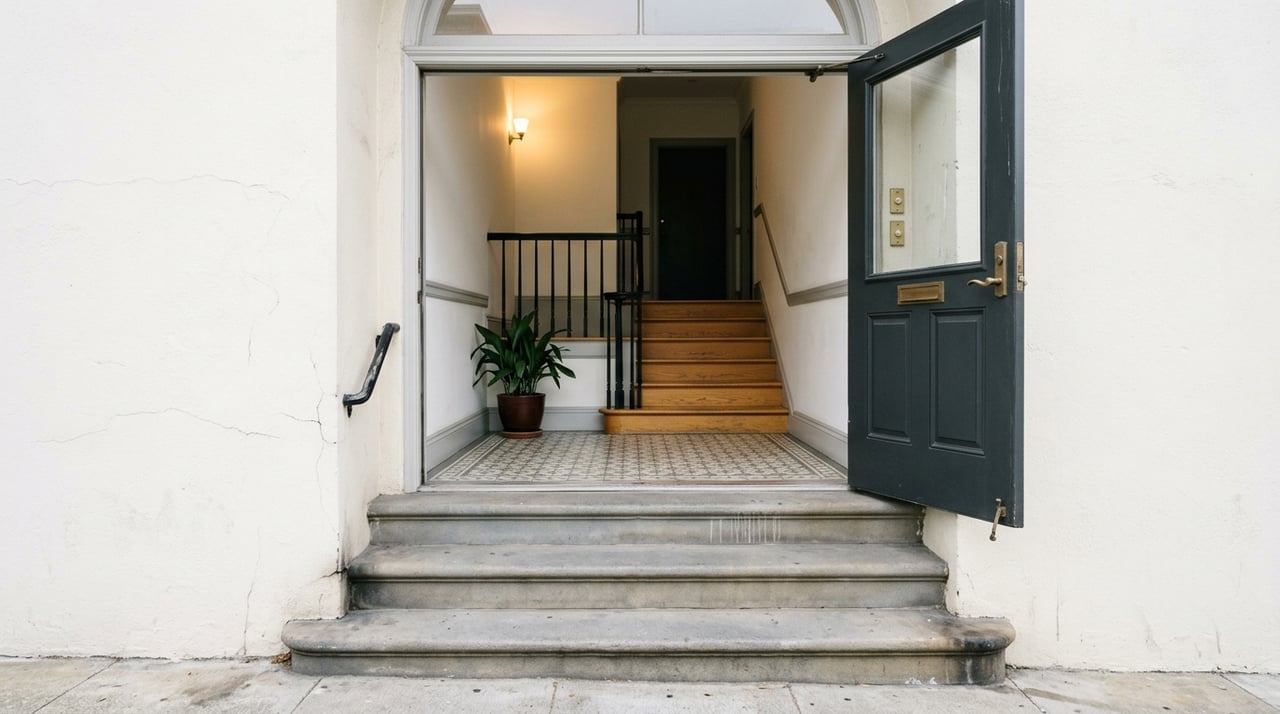
Buying a Mission District multi-unit building can look exciting on paper, but the real story is in the details. If you are weighing a duplex, triplex, fourplex, or small apartment building in this part of San Francisco, you need more than a quick walk-through and a rent roll. You need to understand how unit count, tenant status, permits, zoning, and building condition can shape value from day one. Let’s dive in.
Why Mission multi-unit buildings stand out
The Mission District has a layered building stock that is different from what you might find in a newer condo development or townhouse project. Much of the area includes older residential, commercial, and mixed-use buildings, with many stacked multi-family flats created during post-1906 reconstruction.
That means you will often see duplexes, triplexes, fourplexes, and small apartment buildings instead of detached homes. Many of these properties have older layouts, light wells, and interior stairs, which can add charm but also make the building more complex to evaluate.
The neighborhood’s transit access also plays a big role in buyer demand. The Mission is served by Muni, and BART stations at 16th Street and 24th Street support strong connectivity across San Francisco.
What drives value in Mission buildings
In the Mission, value usually comes down to legal reality and future potential, not just finishes. A fresh kitchen or updated paint can help presentation, but buyers should focus first on the legal unit count, income profile, physical condition, and what the property may allow in the future.
Legal unit count matters
One of the first things to confirm is how many legal units the building actually has. In San Francisco, building records, permit history, and parcel-level information can directly affect pricing because they shape what you are truly buying.
The city requires a 3R report before the sale or exchange of most residential buildings. Buyers can also review the Property Information Map and Department of Building Inspection records to check zoning, permit history, complaints, and the reported year built.
If the unit count in marketing materials does not match city records, that can change your financing, renovation plans, and income expectations. In a multi-unit deal, this is never a small detail.
Tenant status can change the numbers
Tenant occupancy is one of the biggest pricing variables in a Mission multi-unit property. San Francisco’s Rent Ordinance generally covers most rental units in buildings first occupied before June 13, 1979, and just-cause eviction protections apply to all rental units.
That means an occupied fourplex can behave very differently from a vacant one. Rent levels, lease terms, and tenant history all matter when you are estimating income, timing, and renovation options.
Location within the Mission affects strategy
Not every parcel in the Mission plays by the same rules. The Mission Area Plan keeps lower-density and medium-density residential controls in some areas, while some transit-oriented corridors and neighborhood commercial areas allow more flexible density and parking rules.
For you as a buyer, that means a corridor-adjacent parcel or corner lot may offer a different long-term strategy than a mid-block residential building. Two properties only blocks apart can have very different renovation or expansion possibilities.
Physical upside can add opportunity
Older Mission buildings often have layouts and lot patterns that create value-add possibilities, but only if the property qualifies. San Francisco’s local ADU program allows unlimited ADUs plus one detached ADU in existing multifamily buildings with five or more legal units.
That can be meaningful upside for the right property. At the same time, granted waivers may subject new ADUs to rent control, so any added-unit strategy should be reviewed carefully before you count it into your numbers.
Historic status may affect renovations
Historic context matters more in the Mission than many buyers expect. SF Planning’s South Mission survey identified nearly 1,000 historic properties and contributors across 13 historic districts.
If you are thinking about façade changes, additions, or even window replacements, confirm whether the property is a historic contributor or located in a significant district. A building with historic considerations may still be a strong purchase, but the path to renovation may not be simple.
Your Mission due diligence checklist
Mission multi-unit buildings reward buyers who verify first and assume nothing. Before you remove contingencies, make sure you have worked through the legal, physical, and tenancy side of the property.
Review city records early
Start with documents that tell you what the city recognizes. Review the 3R report, check the Property Information Map, and verify the legal unit count, zoning, permit history, complaint history, and year built.
DBI permit tracking includes building, electrical, plumbing, and boiler permits and reaches back to the 1980s. This step often reveals whether prior work was permitted and whether any open questions need follow-up.
Inspect the building systems
With older small multifamily properties, systems matter as much as layout. Buyers should pay close attention to the foundation, roof, plumbing, electrical capacity, moisture issues, and the quality and legality of past improvements.
If the property includes exterior decks or balconies, there is another layer to review. San Francisco requires apartment buildings and hotels with exterior decks and attachments to have those elements inspected every five years.
Check seismic retrofit status
Seismic review should be high on your list in San Francisco. The city has a Mandatory Soft Story Retrofit Program for soft-story multifamily buildings, so you should confirm whether the building is on the program list and whether retrofit work has already been completed.
This matters because future improvements may need to be planned around seismic requirements. A building can still be a smart purchase, but retrofit costs and timing need to be part of your underwriting.
Review tenancy with care
If the building is tenant occupied, review the tenancy picture before you get too far emotionally or financially. Rent rolls, leases, and notices can affect both current income and your flexibility after closing.
San Francisco’s rent and eviction rules are broad, and they remain important even when ownership changes. For that reason, many buyers of Mission multi-units have tenancy documents reviewed by counsel or a qualified property manager before removing contingencies.
Test your renovation assumptions
It is easy to look at an older Mission building and imagine adding units, reworking common areas, or creating a cleaner layout. The smarter move is to test every idea against zoning, overlays, historic status, and ADU rules before treating it as real value.
The Property Information Map can help show zoning and historic information, and city ADU guidance can clarify whether additional units may be possible. In the Mission, parcel-level differences matter.
San Francisco rules owners should know
Buying the building is only the first step. Owning a multi-unit property in the Mission means operating within San Francisco’s local rules, and those rules can shape rent growth, improvements, and long-term planning.
Rent control is central
For many Mission buildings, rent control is one of the biggest ownership factors. The city’s Community Stabilization materials state that the Rent Ordinance restricts annual rent increases for qualifying units built before June 13, 1979, applies just-cause protections to all rental units, and uses vacancy decontrol when tenants leave.
In simple terms, two buildings with similar layouts can perform very differently based on occupancy and tenancy history. If you are comparing options, make sure you are comparing more than just price per square foot.
Mission policy remains active
The Mission is not a static planning environment. In 2024, SF Planning endorsed Mission Action Plan 2030, continuing work tied to community spaces, street conditions, and cultural vitality.
For owners, that signals an area where policy continues to matter. It is another reason to stay practical about future plans and to verify what is possible on your exact parcel.
City tools stay useful after closing
The same city systems that help you before purchase can help after closing too. DBI handles permit and housing-code matters, while the Property Information Map brings parcel-level zoning and history together in one place.
That can be especially helpful if you plan to phase repairs, explore additions, or simply keep strong records on a complex property. In San Francisco, informed ownership usually leads to better decisions.
How to buy with more confidence
A Mission District multi-unit building can offer character, transit access, and long-term upside, but it rewards careful analysis. The key questions are usually straightforward: Is the unit count legal? What is the tenant situation? What permits or repairs are unresolved? What local rules could affect future income or renovation?
If you want a clear-eyed view of a Mission multi-unit opportunity, working with someone who understands San Francisco block by block can make the process far more manageable. For guidance on buying or evaluating a multi-unit property in San Francisco, connect with Claudia Siegel.
FAQs
What should you verify first when buying a Mission District multi-unit building?
- Start by reviewing the 3R report, legal unit count, zoning, permit history, complaint history, and year built through San Francisco city records.
How does tenant occupancy affect a Mission multi-unit purchase?
- Tenant status can affect rent levels, renovation timing, and how San Francisco rent and eviction rules apply after closing.
Are Mission District multi-unit buildings usually older properties?
- Yes. Buyers often encounter older duplexes, triplexes, fourplexes, and small apartment buildings with layered layouts such as light wells and interior stairs.
Can you add ADUs to a Mission District multifamily building?
- In some cases, yes. San Francisco allows unlimited ADUs plus one detached ADU in existing multifamily buildings with five or more legal units, subject to local rules and property-specific review.
Why does historic status matter for Mission District properties?
- Historic status can affect changes such as façade work, additions, and window replacements, so buyers should confirm whether a parcel is a contributor or in a historic district before planning renovations.