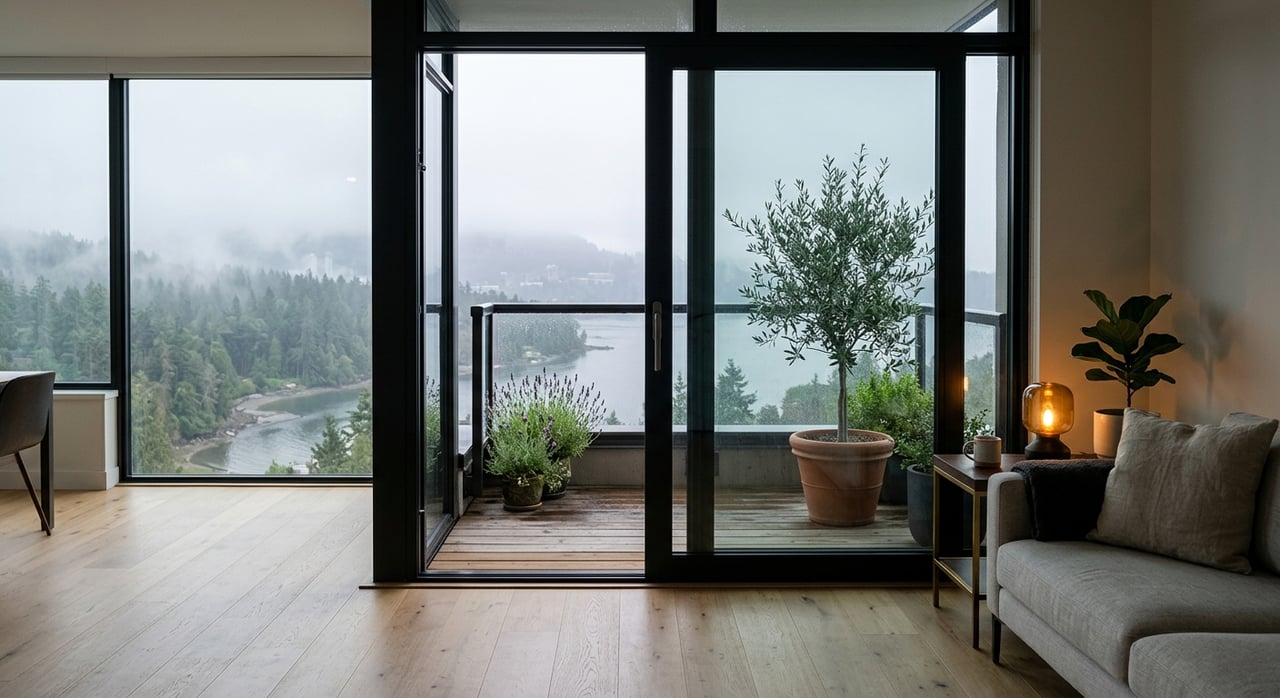
If you picture San Francisco condo living as a high-rise with a doorman, the Marina may surprise you. This neighborhood offers a very different rhythm, with low-rise buildings, waterfront access, and lively commercial streets that shape daily life in a distinct way. If you are thinking about buying a condo here, it helps to understand how the Marina feels block by block and what trade-offs often come with the lifestyle. Let’s dive in.
Why Buyers Look at the Marina
The Marina is one of San Francisco’s best-known waterfront neighborhoods. It is known for bayside views, local boutiques, bars, and restaurants, with much of the neighborhood energy centered along Chestnut Street and Lombard Street. The area also has a long residential history, with development that accelerated after the 1915 Panama-Pacific International Exposition and continued through the 1920s.
For many condo buyers, the appeal is simple. You get a neighborhood that feels active and social, while still being rooted in a residential setting of single-family and multi-family homes rather than a dense downtown skyline.
Marina Lifestyle at a Glance
The Marina tends to attract buyers who want to be out in the neighborhood, not just inside their building. A big part of daily life here happens on foot, by bike, or along the waterfront.
You can spend a morning at Marina Green, head toward Crissy Field for a walk or bike ride, and continue into the Presidio’s broader trail network. Fort Mason also adds another layer to the area, with waterfront cultural activity and a steady flow of visitors.
Outdoor access is a major perk
Marina Green stretches along Marina Boulevard and serves as a popular local hangout for runners, athletes, and casual picnics. Crissy Field adds beach access, open bay shoreline, and easy trails near the Golden Gate. The Presidio expands those options even more, with more than two dozen miles of walking and biking paths.
If your ideal home base includes regular outdoor time, the Marina stands out. You are not just near open space here. Open space is part of the neighborhood’s day-to-day identity.
Social energy feels local, not downtown
The Marina’s restaurant and nightlife pattern is active, but it is concentrated rather than sprawling. Union Street and Chestnut Street act as the neighborhood’s main social corridors, with eateries, cocktail lounges, and long-established gathering spots.
That matters if you want energy without a fully urban entertainment-district feel. In the Marina, much of the action is clustered on a few commercial blocks, which can make the lifestyle feel more neighborhood-oriented.
What Marina Condo Inventory Often Looks Like
One of the biggest adjustments for buyers is understanding that Marina condo stock usually does not look like newer tower inventory in other parts of San Francisco. The neighborhood is defined more by low-rise residential buildings than by large-scale vertical development.
Planning records describe a built environment of single- and multi-family dwellings, with larger apartment buildings more often found at major intersections or on corner lots. Many structures are two to three stories and often built over garages, with period-revival architectural styles that help define the district’s look.
Expect low-rise options
In practical terms, your condo search may include:
- Small condo buildings
- Walk-up units
- Flats in multi-family buildings
- Corner-lot buildings with somewhat larger footprints
This can be a great fit if you like classic San Francisco architecture and a more intimate building scale. It also means your must-have list should be very specific, because amenities can vary widely from one property to the next.
Outdoor space is not one-size-fits-all
In the Marina, outdoor space tends to be highly building-specific. Some units may have a balcony or patio, some buildings may offer a shared courtyard, and some properties may include rooftop terraces.
You should confirm exactly what comes with a unit rather than assuming there will be private outdoor space. In this neighborhood, that detail can have a big impact on how the home lives day to day.
Parking Should Be Part of Your Search Strategy
If you are buying a condo in the Marina, parking deserves real attention early in the process. This is not a detail to sort out later.
SFMTA identifies the area as one with high residential parking demand. Its planning materials for the Marina and Greater Union Street area note pressure from nearby commercial corridors and visitor destinations, and some selected blocks showed occupancy between 85% and 100%.
Why parking matters so much here
The Marina’s appeal brings activity. Residents, shoppers, diners, and visitors all compete for space near popular streets and destination areas such as Fort Mason, the Palace of Fine Arts, and the Presidio.
That means your daily experience can differ a lot depending on whether your condo includes deeded garage parking, a garage that fits your vehicle comfortably, or no parking at all.
What to ask before you buy
If a Marina condo is on your shortlist, ask clear questions like these:
- Is there deeded parking?
- Is the parking independent or tandem?
- Does the garage work for your actual vehicle size?
- If there is no parking, what is the realistic street-parking plan?
- Is the property located on blocks managed through residential permit parking?
SFMTA says residents in an RPP area can use a residential permit to avoid posted time limits on their permit blocks if eligible. The permit is tied to the vehicle and address, each address may buy up to four permits, and temporary permits are available for some short-term needs. The current annual resident permit fee is $224.
Is the Marina a Good Fit for a Car-Light Lifestyle?
For many buyers, yes. The Marina can work well if your routine revolves around walking, running, biking, dining out, and spending time outdoors.
A lot of the neighborhood’s appeal is concentrated close to the waterfront, Marina Green, Crissy Field, and the main commercial corridors. If that lines up with how you like to live, you may find that you use your car less often than expected.
That said, car-light is not the same as car-simple. If you plan to keep a vehicle, parking still needs to be part of your decision-making.
How to Think About the Trade-Offs
Every San Francisco neighborhood asks buyers to balance priorities, and the Marina is no different. What makes it special is also what shapes the compromises.
Here, the typical trade is less about luxury tower amenities and more about access to the bay, historic building character, low-rise scale, and an active local lifestyle. In exchange, you may need to be more flexible about parking, elevators, storage, or private outdoor space.
The Marina may suit you if you value
- Walkable access to restaurants and cafés
- Frequent waterfront time
- Low-rise residential character
- Proximity to trails, parks, and open space
- Classic San Francisco architecture
You may want to look more closely if you need
- Predictable parking without compromise
- Newer high-rise style amenities
- Uniform building features from property to property
- Large private outdoor space as a must-have
Smart Questions for Future Condo Buyers
When you tour Marina condos, try to look past finishes alone. Lifestyle fit often comes down to a few practical details that are easy to miss in a quick showing.
Focus on questions that connect the unit to the neighborhood around it. That is often where the best decision-making happens.
Ask about the building and block
A smart Marina condo search usually includes questions like:
- How close is the unit to Chestnut, Lombard, or other active corridors?
- What kind of noise or foot traffic should you expect on this block?
- How is outdoor space configured for this unit or building?
- What is the real parking setup, not just the listing description?
- How does the low-rise building layout affect stairs, storage, and day-to-day convenience?
These are the kinds of details that help you move from “I like this condo” to “I can see myself living here.”
Why Local Guidance Matters in the Marina
The Marina can look straightforward at first glance, but condo-by-condo differences matter a lot here. Two homes only a few blocks apart can offer very different daily experiences depending on parking, outdoor space, building layout, and proximity to the neighborhood’s busiest corridors.
That is where local perspective becomes valuable. When you understand how a specific property fits into the Marina’s low-rise housing stock and waterfront-centered lifestyle, you can make a much more confident decision.
If you are weighing Marina condo options and want practical, neighborhood-level guidance, Claudia Siegel can help you evaluate not just the unit, but how it will actually live day to day.
FAQs
What is the Marina District lifestyle like for future condo buyers?
- The Marina offers a low-rise, waterfront-oriented lifestyle with active commercial streets, outdoor recreation, and a residential setting that feels more neighborhood-focused than downtown.
What types of condos are common in the Marina District?
- Many buyers will find low-rise walk-ups, flats, and small condo buildings rather than high-rise towers, with larger apartment buildings more often concentrated at major intersections or corner lots.
How important is parking for Marina condo buyers?
- Parking is a major factor because SFMTA identifies the area as high-demand, so deeded garage parking or a realistic street-parking plan can strongly affect daily convenience.
Does every Marina condo have outdoor space?
- No. Outdoor space varies by building and unit, so you should confirm whether a property includes a balcony, patio, shared courtyard, or roof deck.
Is the Marina District good for a car-light lifestyle in San Francisco?
- It can be, especially if your routine centers on walking, biking, dining, and spending time near Marina Green, Crissy Field, and the Presidio.
What should Marina condo buyers ask during showings?
- Ask about parking, outdoor space, stairs, storage, proximity to busy commercial corridors, and how the specific block may affect noise, traffic, and everyday convenience.