If you want a single-family home in Glen Park, you are not just shopping for square footage. You are weighing transit access, hillside lots, older architecture, and a neighborhood that stays in demand because it is already largely built out. That can make the search feel exciting and a little tricky at the same time. In this guide, you will get a practical overview of what Glen Park single-family homes tend to look like, how they are priced, and what tradeoffs to expect as a buyer. Let’s dive in.
Why Glen Park draws buyers
Glen Park stands out because it offers something that is hard to find in San Francisco: single-family homes in a neighborhood with strong transit access and a village-like commercial core. The area centers around Diamond and Chenery and the Glen Park BART station, giving you a compact hub for daily errands and commuting.
The neighborhood is also largely built out, according to San Francisco Planning. That matters because it helps explain why inventory often feels tight. When there are only limited opportunities for major new growth, buyers are usually competing for a relatively fixed pool of homes.
Transit is a major part of the appeal. Glen Park Station is served by four BART lines and San Francisco Muni, and the J Church includes San Jose Ave/Glen Park Station on its route between Balboa Park and Embarcadero. San Francisco Planning also notes that more than 9,000 riders use the station daily, with about 75% arriving by walking or public transit.
What Glen Park homes usually look like
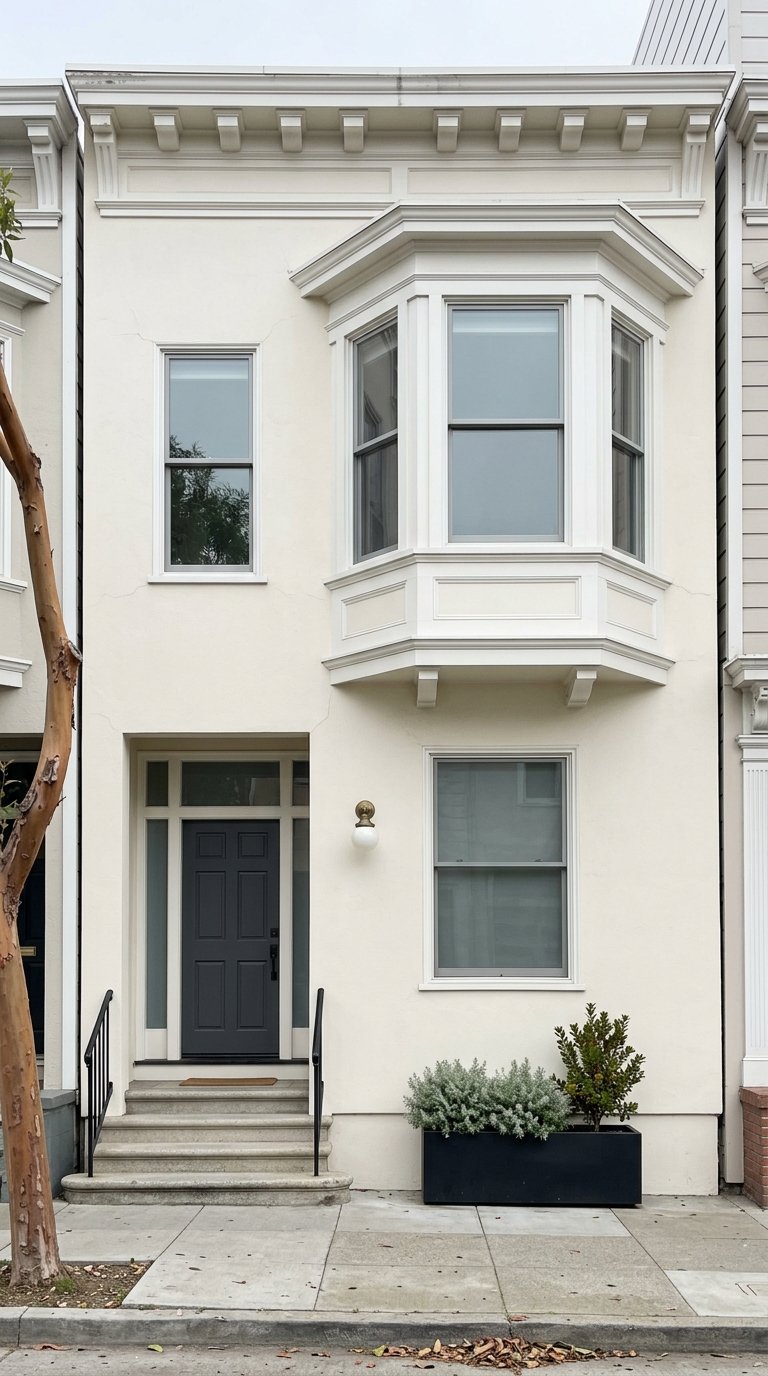
Single-family homes in Glen Park often reflect the neighborhood’s older, eclectic housing stock. San Francisco Planning describes a mix of styles and small-scale buildings shaped by steep terrain and a web-like street pattern. For you as a buyer, that often translates to detached homes with period character and layouts that respond to the hillside setting.
You will commonly see Victorian or Queen Anne/Victorian details, even in homes that have been updated inside. Features like bay windows, built-ins, and older façade details still show up in current inventory. That blend of old and new is part of what many buyers are paying for.
In recent examples, many single-family homes have fallen into the 2- to 3-bedroom range with roughly 1,200 to 2,500 square feet. A few examples include a 2-bedroom, 1.5-bath home around 1,245 square feet, a 3-bedroom, 2.5-bath detached home around 2,250 square feet on a double lot, and other homes with multiple levels, garage space, decks, or gardens.
Expect multi-level layouts and compact lots
Because Glen Park sits on steep terrain, the lot shape and home layout may feel different from what you would expect in flatter areas. Many homes are built across multiple levels, and lower-level garage or basement areas are common. That can create useful storage or parking, but the exact function of that lower-level space varies from home to home.
Outdoor space is often a bonus, but it usually looks different here than in more suburban settings. Instead of broad lawns, you are more likely to find fenced gardens, terraces, layered yards, decks, private balconies, or a flat backyard tucked into part of the lot. If you want a fully flat lot, treat that as a special feature rather than the standard.
This is one reason two homes with the same bedroom count can feel very different in person. The way the lot is used, how the outdoor space connects to the interior, and whether the home captures views can all have a big impact on daily livability.
Glen Park pricing at a glance
Recent market data places Glen Park in the middle-to-upper part of the San Francisco market. Over the last three months, the median sale price was about $1.8 million, with a median 15 days on market. Average sale prices were about 20% above list, which points to strong competition when the right home comes up.
Inventory is also relatively thin. Recent neighborhood data showed just 13 homes for sale, which helps explain why well-positioned listings can move quickly. If you are serious about buying here, preparation matters.
Recent sales also show a wide pricing range. Homes in roughly the 1,200- to 2,600-square-foot range sold from about $1.26 million to $3.35 million. That spread tells you that size alone does not determine value in Glen Park.
What drives price differences
In Glen Park, price gaps often come down to lot utility, condition, and view exposure. A home with a stronger renovation, better outdoor flow, or more functional garage space may command a much higher price than another home with a similar bedroom count. That is especially true in a neighborhood where usable exterior space can be limited by slope.
Detached homes on larger or more flexible lots also tend to stand out. A double lot, a flat garden area, or a well-positioned deck can materially change how a property feels. Buyers often respond to those features because they are not guaranteed in every Glen Park home.
This is where local context matters. On paper, two homes may look close in size and room count, but the one with better light, a more practical layout, or a more usable lower level may compete in a completely different price band.
How Glen Park compares nearby
If you are deciding between neighborhoods, Glen Park often lands in a very specific pricing lane. It is more expensive than Bernal Heights and much more expensive than Diamond Heights, but still less expensive than Noe Valley based on recent median sale prices.
Recent comparisons put Noe Valley at about $2.3 million, Bernal Heights at about $1.6 million, Diamond Heights at about $967,000, and San Francisco overall at about $1.63 million. Glen Park, at about $1.8 million, sits above the citywide figure and above some nearby options, but below the higher-priced Noe Valley segment.
For many buyers, that tradeoff comes down to priorities. You may be willing to pay more than you would in a cheaper hill neighborhood because Glen Park combines single-family housing, a defined village core, and exceptional transit access.
Transit, parking, and commute reality
Glen Park is unusually commuter-friendly for a single-family-home neighborhood. The BART station sits right at the center of the area, and the station is connected to Muni as well. The J Church adds another rail option, which gives you flexibility if transit is part of your daily routine.
At the same time, the neighborhood’s physical layout creates some limits. San Francisco Planning describes steep terrain, a web of streets, and the I-280 and San Jose Avenue corridor as a significant barrier through the neighborhood. That means driving patterns, parking convenience, and street access can feel more constrained than in flatter parts of the city.
BART notes that Glen Park Station has 55 parking spaces, but the broader neighborhood is best understood as transit-first. Most station users arrive by walking or public transit, according to San Francisco Planning. If you want a home where car-free or car-light living is realistic, Glen Park has a strong case.
What buyers should look for during tours
When you tour single-family homes in Glen Park, it helps to focus on function as much as style. Character details are easy to notice, but your day-to-day experience will often depend on layout, access, and how the home handles the hillside site.
Pay close attention to these features:
- How many levels you will use every day
- Whether outdoor space is flat, terraced, or deck-based
- How the garage or lower level functions in practice
- The relationship between kitchen, living space, and yard or deck
- Street access, stairs, and how groceries or gear get into the home
- Light, views, and privacy from neighboring homes
A home that looks great in photos may feel very different once you walk the lot and move through the levels. In Glen Park, small differences in site design can have a big effect on comfort and value.
Buying strategy in a tight Glen Park market
Because inventory is often limited and desirable homes can sell quickly, you will want a clear plan before the right property appears. That means understanding your budget, knowing which tradeoffs matter most to you, and being realistic about what your price point buys in this neighborhood.
It also helps to think in layers rather than absolutes. You may not get a fully flat lot, a large yard, and ideal parking all in one property. But you may find a home with strong transit access, period character, and enough outdoor space to fit your lifestyle.
In a neighborhood like Glen Park, the best buying decisions usually come from matching your priorities to the realities of the housing stock. If you understand the terrain, pricing, and typical home types before you start touring, you will be in a much stronger position to move quickly and confidently.
If you are considering a move in Glen Park or comparing it with other San Francisco neighborhoods, working with someone who understands the city block by block can make the process far more efficient. For tailored guidance on Glen Park homes and the broader San Francisco market, connect with Claudia Siegel.
FAQs
What do single-family homes in Glen Park usually look like?
- Most Glen Park single-family homes are older detached properties with period character, often including Victorian or Queen Anne/Victorian details, multi-level layouts, and updated interiors.
How much do single-family homes in Glen Park cost?
- Recent market data shows a median sale price of about $1.8 million, though actual sale prices can range widely depending on size, condition, lot utility, views, and outdoor space.
Are Glen Park lots usually flat?
- Usually not. Because of the neighborhood’s steep terrain, many homes have terraced gardens, decks, layered yards, or partial flat outdoor areas instead of broad level lawns.
Is Glen Park a good neighborhood for transit commuters?
- Yes. Glen Park Station is served by four BART lines and Muni, and the J Church also serves the station area, making the neighborhood one of the more transit-connected options for single-family home buyers.
Do many Glen Park single-family homes have garages?
- Many current examples include garages or lower-level garage and basement space, but the function and usability of that space can vary quite a bit from property to property.
How does Glen Park compare with nearby San Francisco neighborhoods on price?
- Glen Park is generally priced above Bernal Heights and Diamond Heights, but below Noe Valley, placing it in the middle-to-upper tier of the local market.