What would your week look like if coffee, errands, and a leafy park were all a short stroll away? If you are exploring a move within San Francisco or relocating here, Noe Valley is often on the shortlist for a simple reason: daily life feels calm and convenient without leaving the city behind. In this guide, you’ll learn how the neighborhood flows from morning to evening, what homes are like inside, and what buyers and sellers should know before making a move. Let’s dive in.
Noe Valley at a glance
Noe Valley sits between the Castro to the north and Glen Park and Diamond Heights to the south, with a compact commercial core centered on 24th Street. Most blocks are residential, and the pace feels relaxed compared with many parts of the city. You’ll find leafy sidewalks, neighborhood cafés, and small shops that anchor day-to-day routines.
One thing locals notice right away is the microclimate. The surrounding hills often shield Noe Valley from the thick coastal fog, so you can expect more sun here than in many nearby areas. That sunny feel pairs well with the neighborhood’s village-like rhythm that appeals to long-term residents, professionals, and many households with children.
Daily conveniences on 24th Street
The 24th Street corridor functions as the neighborhood’s main street. You can handle most errands in a single pass: coffee, a bakery stop, dry cleaning, a pet store pick-up, and a quick shop for groceries. The merchant mix skews toward independent, owner-operated businesses with a few national brands sprinkled in.
Weekends often start with a café breakfast or brunch before the weekly farmers market. The market offers seasonal produce and prepared foods, and it creates a friendly gathering spot where neighbors catch up. If you prefer to cook at home, smaller local markets cover everyday needs, with larger supermarkets available in adjacent neighborhoods.
Parks and play
Noe Valley’s public spaces are neighborhood scale. You’ll see small parks, tot lots, and playgrounds that suit quick trips between nap times and meetings. Dog owners make steady use of the green spaces too.
If you want bigger open spaces or hiking trails, you can head to nearby hills and adjacent neighborhoods. The convenient access means you can live a quieter, residential life while keeping broader outdoor options within easy reach.
Schools and childcare basics
Noe Valley is served by the San Francisco Unified School District. Public elementary options are nearby, and there are private preschools and K–8 choices within or close to the neighborhood. Because school assignments can change, it’s important to review current SFUSD maps and enrollment details when planning a move.
If access to specific schools is a top factor for you, build that research into your timeline early. Many families consider proximity to parks, after-school activities, and commute routes along with school plans.
Getting around: transit and commute
You have multiple ways to get to work or explore the city from Noe Valley. The J Church Muni light rail runs through parts of the area and connects to Market Street and downtown transfer points. Several Muni bus routes link the neighborhood to central city destinations and nearby commercial districts.
For regional commuting, the nearest BART stations are 24th Street Mission to the east and Glen Park to the south. Many residents reach BART by a short bus ride, bike, or quick drive. If you commute by car, proximity to I-280 simplifies Peninsula and Silicon Valley trips when traffic is moderate, while downtown driving can be slower during peak hours.
Walking is a strong suit here. Daily errands often happen on foot thanks to the compact layout around 24th Street. Biking is feasible for short hops, although hills on the borders can shape your route choices.
Homes you’ll find in Noe Valley
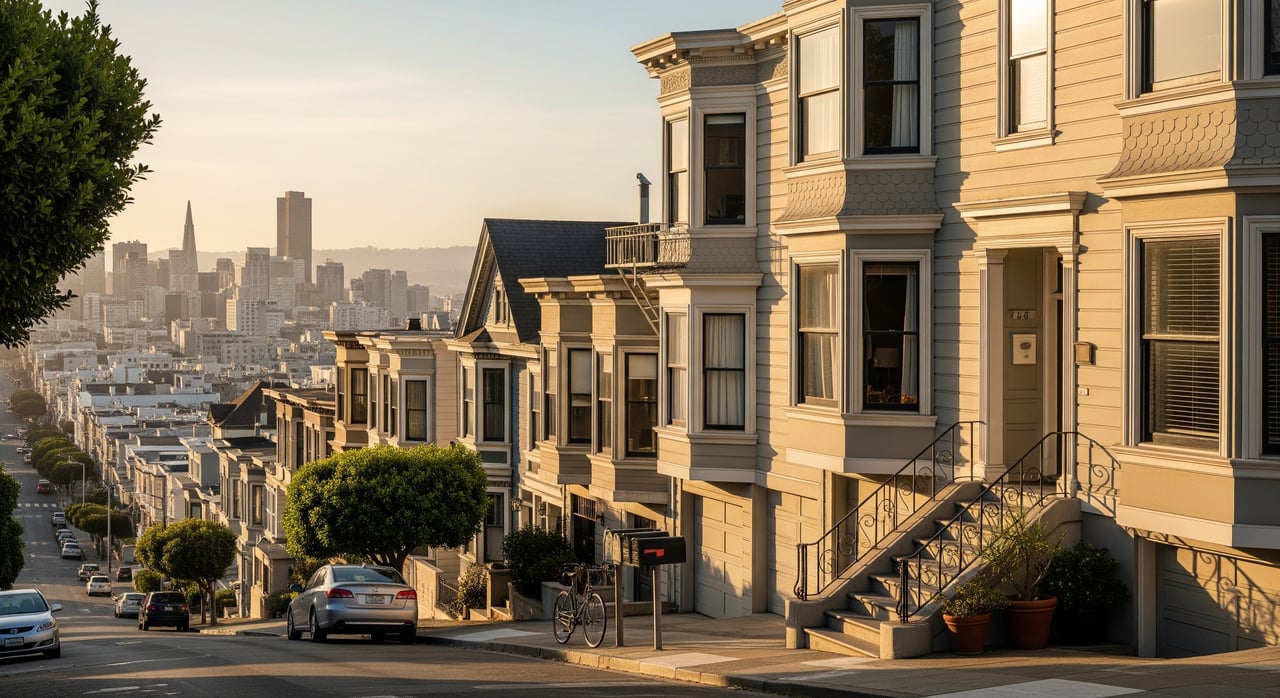
Noe Valley’s streets are lined with late-19th and early-20th century Victorian and Edwardian architecture, plus smaller single-family homes and low-rise condo conversions. Expect narrow lots, detailed façades, bay windows, and multi-level floor plans that reflect the classic San Francisco look.
Inside, many homes blend period character with modern updates. Floor plans often stack living spaces over a garage or storage level, and some include a usable backyard or small deck. Condominiums and flats may offer less private outdoor space but still deliver bright interiors and period charm.
New construction tends to be infill. You’ll see small condo projects and thoughtfully executed remodels rather than large developments. Teardowns and significant renovations do occur, but they are usually sensitive to the neighborhood scale.
Parking, storage, and layout realities
Parking is a common consideration. Many homes have a one-car garage or a compact space that reflects the homes’ age. Street parking demand can be high, and some blocks require permits, so factor that into your daily routine if you own a car.
Storage varies. Older homes may have modest closets, small basements, or attic areas that are not always finished. Layouts often include interior stairs and multi-level circulation, so think about your lifestyle needs if you prefer fewer stairs or plan for multi-generational living.
What it costs and how the market feels
Noe Valley is one of San Francisco’s higher-priced neighborhoods. Single-family homes commonly reach multi-million-dollar price points in typical recent markets. Condos and smaller units are generally priced above many other city areas but below single-family homes.
Inventory is often tight relative to demand. Homes that offer multiple bedrooms, usable outdoor space, and high-quality updates tend to draw strong interest. Renovation and seismic-safety considerations are part of the decision for many buyers, given the age of the housing stock.
Key inspections and upgrades to plan for
Because many homes are older, several items deserve attention:
- Seismic and structural: Check for seismic retrofits and potential soft-story conditions at garage or open ground levels. Review local retrofit and permitting requirements with the San Francisco Department of Building Inspection.
- Systems and utilities: Older plumbing, electrical, and heating systems may need updating. Build a budget for improvements if you are buying a period home.
- Roof, drainage, and moisture: Evaluate roof age, drainage patterns, and signs of moisture in lower levels. These are common concerns in multi-level homes on narrow lots.
- Accessibility and flow: Consider stair counts, floor plate width, and circulation between levels. If you plan to host extended family or work from home, layout matters.
Buyer tips for Noe Valley
- Decide where you want to be relative to 24th Street. Living close to the corridor means quick errands and café runs, while slightly farther blocks may feel quieter.
- Weigh transit options against your commute patterns. If BART is essential, plan your route to 24th Street Mission or Glen Park.
- Be ready for competition on updated single-family homes with yards. These properties often attract multiple offers.
- Budget for retrofits or system upgrades if you are considering an older home that has not been modernized.
- If parking is a must-have, prioritize homes with a garage and confirm dimensions early in your search.
Seller tips that improve outcomes
- Focus on light, space, and function. Simple cosmetic updates that brighten interiors and clarify room use can make a strong impact in period homes.
- Address pre-market repairs. Seismic tie-downs, electrical panel upgrades, and roof touch-ups can reduce buyer concerns and protect contract timelines.
- Stage for the neighborhood. Neutral, high-quality staging that complements Victorian or Edwardian details helps buyers picture daily life on 24th Street and beyond.
- Leverage premium marketing. Professional photography, a clear property microsite, and targeted distribution reach both local and cross-market buyers.
- Consider project financing for prep work. Compass Concierge can fund approved improvements that help maximize your net proceeds at close.
Community pulse and local life
Noe Valley’s community feels cohesive. Merchant and neighborhood groups organize periodic promotions and street events that bring residents together. The Noe Valley Voice covers local stories, developments, and happenings, so you can stay in the loop on neighborhood issues.
On a typical weekend, you might grab a cappuccino, walk to the farmers market, stop by a boutique for a gift, then head to a playground before meeting friends for brunch. Evenings are low key, with dinner at a neighborhood spot or a quick ride to nearby commercial districts.
Is Noe Valley a fit for you?
Choose Noe Valley if you value a quieter, residential rhythm within a short hop of central San Francisco. You’ll appreciate the walkable errands, the sunny microclimate, and the strong housing stock of classic homes. If you need multiple-car parking or wide, single-level layouts, be ready to search selectively and evaluate feasibility for future changes.
If you are selling, the same features that draw buyers can drive results for you: proximity to 24th Street, tasteful updates, and functional outdoor space. With the right prep and marketing, Noe Valley homes continue to stand out.
Ready to explore options, from entry-level condos to renovated single-family homes and multi-unit properties? Reach out for a plan that aligns with your goals and timeline. With hands-on project management, staging, contractor coordination, and Compass tools like Concierge financing, you can move forward with confidence. Start the conversation with Claudia Siegel.
FAQs
What makes everyday life in Noe Valley convenient?
- Most errands cluster along 24th Street, so you can walk to cafés, shops, and services without leaving the neighborhood.
How is the Noe Valley microclimate different from other SF areas?
- Surrounding hills often block coastal fog, creating more frequent sunny days than many nearby neighborhoods.
What public transit options serve Noe Valley commuters?
- The J Church Muni line and several bus routes connect to central SF, with BART access at 24th Street Mission and Glen Park via a short ride, bike, or drive.
What types of homes are common in Noe Valley?
- Victorian and Edwardian houses, smaller single-family homes, and low-rise condo conversions with period details and multi-level layouts.
Are Noe Valley home prices high compared with the rest of SF?
- Yes. Single-family homes commonly reach multi-million-dollar price points, with condos priced below houses but above many other city areas.
What should buyers inspect carefully in older Noe Valley homes?
- Seismic retrofits, soft-story conditions, plumbing and electrical systems, roof and drainage, and layout considerations such as stairs and narrow floor plans.
Is parking easy to find in Noe Valley?
- Parking can be constrained. Some homes have one-car garages, and street parking demand is high, often with permit requirements.
How should families evaluate schools in Noe Valley?
- Review current SFUSD assignment maps and enrollment policies to understand school options and how assignment may affect your move.